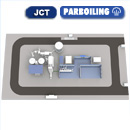
In the world of rice production, parboiled rice has carved a niche of its own, merging tradition with innovation. As the demand for nutritious and convenient food rises globally, understanding the intricacies of parboiled rice mills becomes paramount. This article embarks on a deep dive into the essential components of these mills, unraveling the benefits they offer, the processes they employ, and the key features that enhance their efficiency. By demystifying the workings of parboiled rice mills, we aim to shed light on how they contribute not only to the quality of the rice we consume but also to the sustainability of rice production itself. Join us as we explore the intersection of technology and agriculture, revealing how these mills are transforming the landscape of rice processing for a healthier, more efficient future.Exploring the Essentials of Parboiled Rice Mills and Their Role in Modern Agriculture
Parboiled rice mills play a pivotal role in modern agriculture by enhancing the quality and efficiency of rice production. Parboiling involves soaking, steaming, and drying the rice before milling, which not only preserves nutrients but also helps in mitigating common issues related to rice processing, such as broken grains and nutrient loss. This method leads to several benefits, including:
- Improved Nutritional Value: Parboiling increases the retention of vitamins and minerals, making parboiled rice a healthier choice.
- Enhanced Grain Quality: The process reduces the likelihood of breakage, yielding a larger proportion of whole grains.
- Faster Cooking Time: Parboiled rice cooks faster compared to regular rice, appealing to both consumers and commercial kitchens.
- Extended Shelf Life: The parboiling process inhibits mold growth and reduces spoilage, contributing to longer shelf life than untreated rice.
However, running a parboiled rice mill also comes with its challenges. Common issues include managing the complex parboiling process, which requires precise temperature control and timing. Therefore, farmers and mill operators increasingly seek reliable machinery and technology to streamline operations. Key features to consider when selecting a parboiled rice mill include:
| Feature |
Description |
| Energy Efficiency |
Mills with lower energy consumption reduce operating costs over time. |
| Automation |
Automated systems improve consistency and reduce labor costs. |
| Compact Design |
Space-saving models are ideal for small-scale operations or limited facilities. |
| Durability |
High-quality construction ensures long-term reliability and less downtime. |
Investing in a parboiled rice mill that incorporates these attributes can significantly enhance production efficiency and product quality, thereby contributing to the broader landscape of sustainable and modern agriculture.
Unlocking the Advantages of Parboiled Rice: Why Mills Matter for Quality and Efficiency
When it comes to enhancing the quality and efficiency of parboiled rice, the role of modern mills cannot be overstated. Parboiling is a process that pre-cooks the rice before milling, helping to retain nutrients and achieve better cooking qualities. However, to maximize these benefits, the type and technology of the mill used are crucial. By investing in advanced milling machines, producers can ensure a higher yield of whole grains with minimal milling losses. This not only reduces waste but also improves the overall market value of the rice, making it a more profitable venture.
Choosing the right parboiled rice mill involves considering key features that can significantly impact production. Look for mills that offer:
- High Efficiency Rates: Mills with advanced technology can process larger quantities in a shorter time.
- Customization Options: Adjusting settings for different rice varieties can improve end-product quality.
- Durability and Maintenance: Robust designs reduce downtime and maintenance costs.
- Minimal Broken Rice Production: Mills with effective grading mechanisms ensure a higher percentage of whole grains.
Additionally, understanding the common challenges associated with traditional milling can guide decisions toward better options. Issues like excessive broken kernels, nutrient loss, and variable cooking times can often be traced back to outdated milling equipment. By selecting state-of-the-art parboiled rice mills, producers can overcome these hurdles, enhance the consistency of their product, and meet the growing demand for high-quality rice in various markets.
Common Misconceptions About Parboiled Rice Mills and What You Really Need to Know
Many people hold misconceptions about parboiled rice mills, often confusing them with traditional rice milling processes. One common myth is that parboiling is merely a cooking process; in reality, parboiling is a pre-cooking method that involves steaming the rice while still in the husk. This process not only preserves nutrients but also improves the texture and enhances the flavor of the rice. Additionally, some assume that parboiled rice mills are less efficient than conventional mills. However, parboiled rice milling systems are designed with advanced technology that increases yield and quality while minimizing waste. Key features such as steam absorption units and whitening machines play crucial roles in elevating the rice's edible quality, making them more efficient overall.
Another misconception is that investing in a parboiled rice mill is far more expensive than traditional milling equipment. In actuality, while the initial investment may be higher, the long-term benefits often outweigh these costs. Parboiled rice mills can provide higher market value due to better-quality output, making them cost-effective for farmers and mill owners alike. Common issues like moisture control and product consistency are also addressed in modern designs, ensuring that users can produce rice that meets industry standards. When choosing a parboiled rice mill, look for features like automatic water regulation, energy-efficient operation, and ease of maintenance to ensure a smooth production line.
When selecting a parboiled rice mill, several key features should guide your decision to ensure optimal performance. Understanding the milling capacity, energy efficiency, and durability of the equipment is crucial. Key features to consider include:
- Milling Capacity: Choose a mill that matches your production needs. Higher capacity mills are suitable for larger operations.
- Energy Efficiency: Opt for models designed to consume less power, reducing operational costs.
- Quality of Output: Look for mills that provide a consistent grain quality with minimal broken rice.
- Ease of Maintenance: A machine that is easy to maintain can save time and costs in the long run.
- Advanced Technology: Consider mills equipped with the latest technology for better monitoring and control of the milling process.
In addition to these features, assessing the manufacturer's reputation and available customer support can significantly impact your experience. Compare different brands by looking at user reviews and asking for recommendations from industry peers. Furthermore, common issues that users face include frequent breakdowns and hi-fi maintenance costs. To avoid these problems, invest in quality machinery from trusted manufacturers and consider warranty options that cover service and parts. Utilize a comparison table to evaluate features across multiple models, helping you make an informed choice:
| Model |
Milling Capacity (ton/hour) |
Energy Efficiency |
Price Range |
| Model A |
2.5 |
High |
$15,000 - $20,000 |
| Model B |
3.0 |
Medium |
$10,000 - $15,000 |
| Model C |
1.8 |
Very High |
$20,000 - $25,000 |
In Retrospect
delving into the world of parboiled rice mills unveils a critical chapter in the narrative of modern agriculture and food production. As we've explored, the benefits of parboiled rice extend beyond mere preservation; they encompass enhanced nutritional value, improved cooking qualities, and extended shelf life. The intricate processes involved in parboiling and milling highlight a blend of traditional techniques and modern technology, ensuring that every grain is processed for maximum quality and efficiency.
Understanding the key features of these mills allows producers to make informed decisions that align with their operational needs, ultimately leading to more sustainable rice production. From the meticulous soaking and steaming processes to the final milling stages, each step plays a vital role in delivering a product that meets global standards.
As we move forward in a world that increasingly values efficiency and sustainability, the role of parboiled rice mills is more important than ever. By embracing advancements in this field, we not only elevate rice production but also contribute to food security and the wellbeing of communities around the world. Whether you are a farmer, a mill operator, or simply a rice enthusiast, the journey of parboiled rice is one worth exploring – a testament to innovation and resilience in the heart of our culinary traditions.