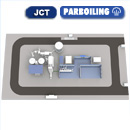
In a world where culinary innovation meets agricultural efficiency, parboiled rice stands as a shining example of how tradition and technology can blend seamlessly. With its origins rooted in ancient practices, the process of parboiling has evolved into a sophisticated method that not only enhances the nutritional profile of rice but also improves its cooking qualities and shelf-life. Yet, one of the unsung heroes in this realm is the parboiled rice mill—a powerhouse of productivity and sustainability. In this article, we delve deep into the benefits of parboiled rice mills, exploring their role in enhancing farmer livelihoods, promoting food security, and tapping into global market demands. Join us as we uncover the intricacies of these specialized mills, illuminating how they are redefining the landscape of rice production and consumption for generations to come.Exploring the Nutritional Advantages of Parboiled Rice
Parboiled rice, often overlooked in the culinary world, carries a host of nutritional benefits that set it apart from its white and brown counterparts. The parboiling process, which involves soaking, steaming, and drying the rice, significantly enhances its nutrient profile. This method allows the rice grains to absorb some of the vitamins and minerals from the husk, resulting in a grain that is rich in essential nutrients such as:
- Iron: Essential for the production of hemoglobin, helping to transport oxygen in the blood.
- Magnesium: Vital for numerous biochemical reactions, including muscle and nerve function.
- B vitamins: Promotes energy metabolism and helps maintain a healthy nervous system.
Furthermore, parboiled rice boasts a lower glycemic index compared to regular white rice, making it a forerunner for individuals managing their blood sugar levels. This is particularly important for those with diabetes or anyone looking to maintain stable energy levels throughout the day. Additionally, the process of parboiling enhances the availability of fiber, leading to improved digestive health. Here's a concise comparison of the nutritional components of parboiled rice:
| Nutrient |
Parboiled Rice (per 100g) |
White Rice (per 100g) |
| Calories |
123 |
130 |
| Protein |
2.7g |
2.4g |
| Fiber |
1.4g |
0.4g |
| Iron |
0.4mg |
0.2mg |
Enhancing Efficiency Through Modern Mill Technology
The advent of modern mill technology has revolutionized the way parboiled rice is processed, leading to notable improvements in both productivity and product quality. Advanced milling equipment, featuring automation and precision engineering, minimizes human error and enhances consistency in milling. This technology utilizes a combination of mechanical and thermal processes which ensures that the grains are not only milled effectively but also retain their essential nutrients and flavor. Furthermore, incorporating real-time monitoring systems allows mill operators to track performance metrics, leading to more informed decision-making and optimization of milling operations.
Investments in energy-efficient machinery have substantially reduced operational costs, allowing millers to allocate resources more strategically. The benefits of modern milling technology highlight some key areas of improvement:
- Reduced Processing Time: Faster operations lead to quicker turnaround and higher throughput.
- Better Quality Control: Enhanced monitoring capabilities ensure that every batch meets quality standards.
- Lower Waste Generation: Optimized milling processes result in minimal by-products and losses.
- Automated Cleaning Systems: This ensures hygiene and minimizes downtime, contributing to efficient workflow.
| Aspect |
Traditional Mill |
Modern Mill |
| Energy Consumption |
Higher |
Significantly Lower |
| Processing Speed |
Moderate |
High |
| Product Consistency |
Variable |
Consistent |
| Maintenance Needs |
Frequent |
Less Frequent |
Economic Impacts: Driving Local Agriculture and Employment
The establishment of parboiled rice mills can serve as a catalyst for economic revitalization, particularly in rural areas where agriculture dominates. By investing in local rice production infrastructure, communities can witness a significant boost in their agricultural output. This not only enhances the quality of rice but also diversifies the types of rice available in the market. Furthermore, local farmers gain access to better technology and training, which ultimately increases their yield. The economic benefits extend beyond agriculture; the mill itself creates numerous job opportunities, fostering employment in various sectors such as:
- Mill Operations: Technicians and operators required for the day-to-day running of the facility.
- Maintenance Services: Skilled labor needed for upkeep and repair of equipment.
- Distribution and Logistics: Jobs related to transportation, warehousing, and supply chain management.
- Quality Control: Specialists responsible for ensuring the high standard of the processed rice.
Moreover, parboiled rice mills can provide a substantial uplift to local economies through the multiplier effect. When local farmers earn more from selling their rice, they are likely to invest back into their communities, thereby generating further economic activity. This creates a ripple effect encompassing various sectors such as education, healthcare, and retail. A summary of the ripple effect in economic terms could be illustrated as follows:
| Impact Area |
Description |
| Increased Income |
Higher earnings for farmers leads to more spending. |
| Job Creation |
New employment opportunities in the mill and ancillary services. |
| Investment in Community |
Farmers invest in local businesses, fostering stability. |
| Skills Development |
Training programs for better farming and processing techniques. |
Sustainable Practices in Parboiled Rice Production
In the realm of rice production, the integration of sustainable practices not only enhances crop yield but also minimizes environmental impacts. By adopting eco-friendly methods, producers can significantly reduce water usage and soil degradation. Key sustainable practices include:
- Crop Rotation: Alternating the planting of parboiled rice with other crops enriches the soil and disrupts pest cycles.
- Integrated Pest Management (IPM): Utilizing natural predators and organic pesticides reduces reliance on harmful chemicals.
- Water Conservation Techniques: Implementing drip irrigation and rainwater harvesting can optimize water use in rice fields.
- Organic Fertilizers: Utilizing compost and green manure enhances soil health without introducing synthetic products.
Furthermore, the adoption of energy-efficient processing techniques in parboiled rice mills presents an opportunity to lower carbon footprints. Modern mills can employ advanced technologies that minimize electricity consumption, thus promoting a greener operation. Consider the following advantages of these practices:
| Benefit |
Description |
| Lower Emissions |
Energy-efficient mills reduce greenhouse gas emissions significantly. |
| Cost Savings |
Decreased energy consumption leads to reduced operational costs. |
| Higher Quality |
Carefully controlled processing conditions enhance the quality of the rice. |
Final Thoughts
As we draw the curtain on our exploration of parboiled rice mills, it becomes clear that the journey through this age-old yet evolving process reveals a tapestry rich with potential benefits. From enhancing nutritional values to promoting economic growth in rural communities, parboiled rice technology stands as a testament to innovation within tradition. As the demand for healthier, more sustainable food options continues to rise, the significance of parboiled rice mills cannot be understated.
In embracing this versatile grain, we invite farmers, entrepreneurs, and consumers alike to unlock not just the nutritional treasures hidden within each grain, but also the socio-economic advantages woven into the fabric of rice production. Whether you are a seasoned agriculturist, a local business owner, or simply a curious consumer, understanding the full scope of parboiled rice mills can empower you to make informed choices that benefit your health and the environment.
As we look toward the future, let the knowledge gleaned from this deep dive serve as a guiding light, inspiring innovation, sustainability, and community development. The next time you see a bag of parboiled rice on the shelf, remember: it symbolizes not just a meal, but a movement toward smarter farming, healthier eating, and a more sustainable future.