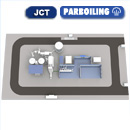
In a world where efficiency and sustainability are paramount, the agricultural sector is undergoing a transformation that is as innovative as it is essential. At the heart of this evolution lies the modern rice mill plant, an intricate system that not only redefines the processing of one of the world’s most staple foods but also sets a benchmark for technological advancement in the industry. Gone are the days of traditional milling practices; today’s rice mill plants are engineered with cutting-edge technology that enhances productivity, minimizes waste, and prioritizes energy efficiency. This article delves into the fascinating interplay of design, innovation, and operational excellence that characterizes modern rice milling facilities. Join us as we unveil the myriad ways these plants are revolutionizing an age-old industry while meeting the demands of a rapidly changing world.Revolutionizing Rice Processing Through Automation and Technology
Innovation in rice processing is transforming the agricultural landscape, merging traditional techniques with cutting-edge technology to create modern rice mill plants that ensure higher efficiency and output. Today’s rice mills incorporate automated systems that streamline operations, reducing labor costs and human error. These facilities often utilize advanced machinery that performs multiple functions, from husking to polishing, all in one seamless workflow. The integration of IoT devices further enhances operational visibility, allowing mill operators to monitor performance metrics in real-time and predict maintenance needs, ultimately minimizing downtime.
Furthermore, modern rice processing utilizes data analytics to optimize production schedules and manage supply chains effectively. By analyzing factors such as quality, market demand, and operational efficiency, mill operators can make informed decisions that maximize profitability. The new generation of rice mills also emphasizes sustainability, incorporating eco-friendly practices like waste recycling and water conservation systems. As a result, the impact on the environment is significantly reduced, fostering a more responsible approach to rice production in line with global sustainability goals.
| Feature |
Description |
| Automated Systems |
Minimizes labor costs and enhances precision. |
| Real-Time Monitoring |
IoT integration for efficient performance tracking. |
| Data-Driven Analytics |
Facilitates optimal production and supply chain management. |
| Sustainability Focus |
Eco-friendly practices to reduce environmental impact. |
Sustainable Practices in Modern Rice Milling: A Greener Future
In the quest for a greener future, modern rice milling plants are embracing sustainable practices that not only enhance operational efficiency but also minimize environmental impact. Incorporating renewable energy sources, such as solar and wind power, significantly reduces reliance on fossil fuels. Additionally, advanced water management systems optimize water usage, crucial in regions facing water scarcity. The integration of biomass energy derived from rice husks and straw enables mills to produce clean energy while simultaneously managing waste, creating a closed-loop system that benefits both production and the environment.
Furthermore, technology plays a pivotal role in promoting sustainability in rice milling. With the advent of smart milling technology, operators can monitor and adjust processes in real-time, thereby reducing energy consumption and improving product quality. Implementing multistage milling solutions allows for the extraction of maximum yield with minimal resource waste. Below is a comparison of traditional versus modern milling practices:
| Aspect |
Traditional Rice Milling |
Modern Rice Milling |
| Energy Usage |
High |
Reduced, with solar and wind options |
| Water Usage |
Excessive |
Optimized with advanced systems |
| Waste Management |
Minimal recycling |
Closed-loop systems with biomass utilization |
Enhancing Output Quality: Innovations in Milling Techniques
The ongoing evolution of milling techniques has brought forth a range of innovations that significantly enhance output quality. Advanced machinery designed with precision engineering allows for greater consistency in grain processing, reducing breakage and maximizing yield. The implementation of automated systems not only optimizes time management but also minimizes human error, resulting in a higher degree of accuracy in grain separation and polishing. A few notable enhancements include:
- Optical Sorters: These use high-resolution cameras and artificial intelligence to identify and remove impurities, ensuring only the highest quality rice makes it to packaging.
- Steam Treatment Technology: This innovative method pre-cooks the rice prior to milling, enhancing the flavor and nutritional profile, while extending shelf life.
- Variable Speed Motors: These allow mill operators to adjust the milling speed based on the type of grain being processed, which improves quality and reduces energy consumption.
In addition to equipment innovations, the layout and design of modern rice mill plants are being reimagined. The integration of smart technology facilitates real-time monitoring of the milling process, allowing for immediate adjustments and ensuring optimal operation. This cultivates an environment conducive to sustainable practices, including reduced waste and energy efficiency. Some key benefits of these developments can be summarized in the following table:
| Feature |
Benefit |
| Automated Quality Control |
Higher precision and fewer defects in the final product |
| Real-Time Data Monitoring |
Quick adjustments to improve efficiency and reduce downtime |
| Eco-Friendly Processes |
Lower environmental impact and compliance with regulations |
In the ever-evolving landscape of rice milling, ensuring optimal performance is not just about state-of-the-art machinery and innovative technology. It's equally dependent on the people behind the operations. Investing in training and development for employees is a strategic move that pays dividends in productivity and efficiency. By providing extensive training programs, plant management can equip their teams with the necessary skills to navigate complex machinery and troubleshooting processes. This investment leads to:
- Enhanced operational efficiency
- Reduced downtime through skilled workforce
- Improved product quality and consistency
Moreover, an educated team can foster a culture of innovation, encouraging employees to propose efficient methods or technology that can further streamline operations. The benefits can be quantified in a clear manner, as shown below:
| Training Program |
Expected Benefit |
Timeframe for Impact |
| Machinery Operation |
Decrease in operational errors |
1-3 months |
| Quality Control |
Improvement in product quality |
3-6 months |
| Safety Protocols |
Reduction in workplace incidents |
Ongoing |
Such structured development not only cultivates a knowledgeable workforce but also strengthens the plant's competitive edge in a fast-paced market. By prioritizing training, mills can adapt to new technologies and methodologies, thereby ensuring they remain at the forefront of the rice milling industry.
Wrapping Up
As we draw the curtain on our exploration of the modern rice mill plant, it becomes clear that these innovative facilities represent much more than just a means of processing grain. They stand at the intersection of tradition and technology, where age-old practices meet cutting-edge efficiency. In an era where sustainability and productivity are paramount, these plants are not just keeping pace with the demands of modern agriculture; they are setting new standards.
The transformation of rice milling technology illuminates a path forward, showcasing how innovation can reshape industries while honoring their roots. As we continue to seek solutions for food security and resource management, the advancements in rice milling serve as a beacon of progress, promising a future where quality and efficiency work hand in hand.
the unveiling of the modern rice mill plant is a testament to human ingenuity and the relentless pursuit of improvement. It invites us to rethink our relationship with food production and underscores the importance of embracing innovation to cultivate a more sustainable tomorrow. Let us move forward, inspired by the possibilities that lie ahead, as we revolutionize the way we process one of the world’s most vital staple crops.