In the world of agriculture, few staples hold as much culinary and cultural significance as rice. From the verdant paddies that cradle its growth to the vibrant markets where it is exchanged, the journey of rice from field to plate is a complex ballet of processes, requiring precision, efficiency, and innovation. At the heart of this journey lies an array of sophisticated machinery designed to elevate rice processing to new heights. In this comprehensive guide, we delve into the intricacies of rice processing machinery, exploring the technical specifications that drive performance, the workflows that enhance efficiency, and the selection criteria that ensure optimal results. Whether you are a seasoned industry professional or a newcomer eager to understand the nuances of rice processing, this article offers invaluable insights that will empower you to navigate the landscape of machine selection and operational effectiveness, ultimately enhancing your rice production endeavors. Join us as we unpack the essential components that define success in the rice processing sector, ensuring that every grain is transformed with care and expertise.Innovative Engineering of Rice Processing Equipment and Their Structural Integrity
The innovative engineering of rice processing equipment centers on achieving maximum efficiency while ensuring structural integrity. The mechanization of rice processing involves various stages such as harvesting, hulling, milling, and polishing, each requiring specialized equipment designed with specific characteristics to handle the mechanical stress involved. For instance, in a modern rice mill, equipment like de-huskers operate with a dedicated coupling system that minimizes vibration, thereby enhancing durability. Key mechanisms in rice milling include the use of accelerated blade technology, which enhances the cutting effectiveness while reducing the energy required. This leads to better yield rates—often exceeding 90% in optimized systems—due to the reduced grain breakage during processing.
When evaluating rice processing machinery, several criteria should be considered to ensure optimal performance. Among these are:
- Material Strength: Stainless steel is often preferred for its resistance to corrosion and ability to withstand high-pressure applications.
- Energy Efficiency: Equipment requiring less energy, such as pneumatic systems for transporting rice, can significantly lower operational costs.
- Maintenance Requirements: Machinery designed with modular components allows for easier repairs and lower downtime.
For example, comparing a traditional rubber roller mill with a modern satellite-type milling machine shows that the latter not only provides superior output rates but also maintains better structural integrity under continuous operation. Constraints such as space limitations and local maintenance availability must also be considered along with performance variables like throughput capacity and noise levels, typically ranging from 30 to 80 decibels in operation, which can influence selection based on environmental regulations. This comprehensive understanding allows operators to select machinery that optimally aligns with their operational goals and processing conditions.Evaluating Material Selection and Technical Metrics for Optimal Rice Mill Operations
html
When evaluating material selection and technical metrics for rice mill operations, it is essential to focus on multiple criteria to ensure optimal performance and durability of machinery. Material selection directly impacts the longevity, efficiency, and cost-effectiveness of equipment. Considerations include:
- Corrosion Resistance: Materials such as stainless steel for hoppers and conveyors prevent degradation from moisture and rice organic acids.
- Wear and Tear Resistance: Hard-wearing coatings, like tungsten carbide, on milling components extend service life and enhance productivity.
- Thermal Stability: Components exposed to high temperatures, such as dryers, require materials that can withstand thermal stress without structural failure.
- Weight-to-Strength Ratio: Lightweight alloys can reduce energy consumption while maintaining required strength in movable machinery parts.
In conjunction with material evaluation, technical metrics such as efficiency rates, throughput capacities, and energy consumption should be meticulously assessed. For example, the milling efficiency can be quantified through the ratio of whole grains produced to the total input, typically aiming for a range of 65-70%. A comparison table can enhance this analysis:
| Milling Method |
Efficiency (%) |
Operational Costs ($/ton) |
| Traditional Milling |
60-65 |
20 |
| Modern Automated Milling |
70-75 |
15 |
These metrics not only help in performance tracking but also guide in making informed decisions regarding upgrades or machinery investments. Additionally, external constraints such as local regulations on noise and emissions should also be considered in the material and machine selection process. Ultimately, aligning the materials and technical specifications with the operational requirements leads to a sustainable and efficient rice milling operation.
In rice processing, streamlining workflow through advanced performance metrics is critical for improving efficiency and productivity. Key performance indicators (KPIs) play a pivotal role in evaluating the effectiveness of various machinery used in the processing line. These KPIs can include:
- Throughput Rate: Measures the amount of processed rice per unit time, often expressed in tons per hour.
- Yield Ratio: The proportion of marketable rice obtained from paddy input, typically represented as a percentage.
- Operational Downtime: Tracks the duration of non-productive machine operation, impacting overall efficiency.
- Energy Consumption: Evaluates energy use relative to output, important for sustainability assessments.
Understanding these metrics allows rice mill operators to make informed decisions about equipment selection, maintenance schedules, and process improvements. When comparing different processing machines, considerations include:
| Machine Type |
Throughput Rate (tons/hr) |
Energy Consumption (kWh/ton) |
| Combined Harvester |
5-8 |
20-30 |
| De-Stoner |
2-4 |
15-25 |
| Rice Mill |
5-10 |
25-35 |
By analyzing the machine specifications and their respective performance variables, processors can identify any constraints in their current workflow. For instance, a low yield ratio might signal an issue with a de-stoner’s efficiency, prompting a reevaluation of its specification, maintenance practices, or integration within the entire processing chain. Additionally, implementing real-time monitoring systems can provide insights into operational performance, allowing for agile decision-making and rapid adjustments in workflow when variables fluctuate beyond acceptable thresholds.
Comparative Analysis of Processing Technologies: Enhancing Efficiency through Technical Insights
The comparative analysis of rice processing technologies reveals significant variations in efficiency, operational capability, and yield maximization.
Key processing technologies include traditional milling, modern automated systems, and advanced techniques like parboiling and destoning. Each method utilizes different mechanisms that greatly influence the efficiency of rice processing:
- Traditional Milling: This method often employs simple machines such as hullers and polishers, but lacks precision, resulting in higher grain damage rates (up to 10-20%).
- Automated Milling Systems: These systems use a combination of abrasive and frictional milling processes, achieving lower damage rates (<5%) and significantly increasing output (up to 2 tons per hour).
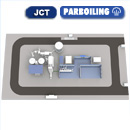
- Parboiling Technology: Involves soaking, steaming, and drying the rice, which enhances nutritional value and reduces breakage during milling, improving yield by up to 15%.
- Destoning Equipments: Utilize air traps or vibrating screens to remove stones, critical for preserving the integrity of rice grains.
Performance evaluation criteria for these technologies include
energy consumption,
throughput capacity,
operational footprint, and
maintenance requirements. These can be summarized as follows:
| Technology |
Energy Consumption (kWh/Ton) |
Throughput Capacity (Tons/Hour) |
Maintenance Frequency |
| Traditional Milling |
50 |
0.5 |
Monthly |
| Automated Milling |
30 |
2 |
Quarterly |
| Parboiling |
40 |
1 |
Monthly |
| Destoning |
20 |
1.5 |
Every 6 months |
Constraints such as space limitations and initial investment costs also play a crucial role in selection. Automated systems, while more efficient, require higher capital investment and larger operational spaces. Also, environmental factors like noise levels and dust emission need to be considered. Technological advancements, such as integration with smart sensors and IoT applications, can further optimize workflow by streamlining maintenance schedules and monitoring real-time performance metrics, leading to improved decision-making in rice processing operations.
In Conclusion
In wrapping up our comprehensive guide to rice processing machinery, we have journeyed through the intricate landscape of technical specifications, workflow optimization, and the nuanced criteria for selecting the right equipment to elevate your rice processing operations. As we've explored, the right machinery not only enhances productivity but also ensures the highest quality of finished product while minimizing waste and maximizing efficiency.
The world of rice processing is evolving, and as technologies advance, so too should our approaches. By understanding the technical parameters and keeping abreast of innovations, you set the stage for your operation to thrive in a competitive market. Remember, investing in the right machinery is not merely an operational choice but a strategic decision that can drive your business towards greater success.
We encourage you to continually refine your understanding of these elements, as the quest for operational excellence in rice processing is ongoing. By equipping yourself with knowledge and insight, you pave the way for a sustainable and prosperous future. Thank you for joining us on this exploration of rice processing machinery—may your endeavors yield fruitful results!