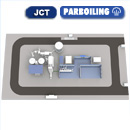
In the ever-evolving landscape of agriculture, the processing of rice, a staple food for billions, stands as a critical link in the supply chain. As demand for efficiency increases, the world of rice processing machinery has witnessed remarkable advancements, reshaping how we harness the potential of this vital grain. This article delves into the intricacies of rice processing machinery, offering a technical overview that highlights essential performance metrics, workflow optimization strategies, and key selection criteria for producers. Whether you are a seasoned agronomist or a curious entrepreneur, understanding the underlying mechanics and innovations of these machines is crucial. Join us as we explore the heartbeat of rice processing, where technology meets tradition to ensure that rice not only feeds the world but does so with precision and efficiency.
Innovative mechanisms in rice processing machinery have evolved to enhance both output quality and operational efficiency while addressing specific performance metrics critical to the industry. Key mechanisms include
paddy separators,
de-huskers, and
milling machines, each employing unique engineering techniques. For instance, modern
paddy separators utilize a combination of
airflow and
vibration to separate whole grains from impurities, improving yield and minimizing breakage. Central to their performance metrics are parameters such as efficiency rate, recovery percentage, and energy consumption.
The engineering decisions guiding the selection of these machinery types often reflect an intricate balance of specifications. For example, a
de-husker may feature:
- Specifications: Capacity (ton/hour), power requirements (kW), and operational losses (breakage, yield)
- Performance Variables: Effective throughput, wear rate on parts, and maintenance intervals
- Comparative Metrics: Mechanical vs. pneumatic husking efficiency
When comparing efficiency across models, constraints such as
operational cost and
energy efficiency become significant. Manufacturers must evaluate the machinery based on these metrics alongside the
process logic that dictates parameters such as moisture content management and feed rate adjustments. This multi-dimensional analysis ultimately guides engineering decisions on machinery selection to optimize workflow while ensuring consistent product quality.
Streamlining Workflow in Rice Milling: A Comparative Study of Machinery Specifications and Material Choices
In the context of rice milling, the selection of machinery and materials plays a pivotal role in streamlining workflow. Various machine specifications directly influence operational efficiency, product quality, and overall output. Key machinery types include rice hullers, polishers, and separators, each tailored to specific stages of the milling process. The comparison of these machines can be framed around several critical specifications, such as:
- Processing Capacity: Measured in tons per hour (TPH), it determines the volume of rice that can be processed while minimizing downtime.
- Power Consumption: Critical for evaluating the operational cost, measured in kilowatts (kW) for machinery efficiency.
- Material Composition: The durability and maintenance requirements depend significantly on the materials used, such as stainless steel versus carbon steel for parts that contact rice.
- Dimensions and Footprint: Essential for layout and space optimization in processing facilities.
Evaluating these parameters should include a detailed comparison among different machinery brands and models. For instance, a high-capacity rice huller with a power consumption of 30 kW may perform better in larger operations compared to a lower-capacity model drawing 25 kW but yielding significantly reduced throughput. Additionally, constraints such as maintenance schedules, availability of spare parts, and adaptability to varying rice varieties must factor into machinery selection. Performance variables like milling degree (i.e., head rice yield) can be quantified, with machines delivering as high as 70-75% in head rice yield being preferable. Thus, selecting the right combination of machinery specifications and material choices is crucial for optimizing the rice milling workflow.
Unraveling the Technical Dimensions of Rice Processing: Evaluating Quality Drivers and System Limitations
The technical dimensions of rice processing are crucial in determining the quality of the final product. Several quality drivers influence the efficiency and output of rice milling, each linked to specific processing equipment and mechanisms. Key evaluation criteria include:
- Grain Quality: Metrics such as milling recovery, head rice yield, and broken rice percentage are vital. For instance, high-quality milling equipment should achieve a head rice yield of 60-70% for long-grain varieties.
- Processing Speed: Measured in tons per hour (TPH), the efficiency of machinery like rice hullers or polishers is assessed against industry benchmarks. For example, modern milling units can exceed 2 TPH.
- Energy Consumption: Specific energy usage is also a critical metric, with benchmark limits set around 50-80 kWh/ton for milling operations.
Understanding the workflow is equally important for optimizing processes to mitigate system limitations. The rice milling process typically includes steps such as dehulling, polishing, and grading, each necessitating a range of machinery and settings. For instance, dehulling can use either a rubber roll huller or a beater huller; the former is preferred for minimizing grain damage but may operate slower than a beater huller. Important constraints include:
- Moisture Content: Optimal moisture levels for milling range from 12-14% to prevent excessive breaks during processing.
- Machine Configuration: Variations in machine design impact processing efficiency. For example, two-pass milling systems can improve yield but require more control over variables.
- Operational Maintenance: Regular maintenance schedules are essential to achieve optimal performance and reduce downtime, which is often a critical factor in production efficiency.
The interplay of these factors guides engineers and operators in selecting appropriate machinery and optimizing workflows to mitigate risks associated with quality and productivity.
When selecting rice processing machinery, it is crucial to evaluate a range of essential criteria to ensure optimal performance. Key specifications to consider include the machine's capacity (measured in tons per hour), energy efficiency (expressed in kilowatt-hours per ton), and the level of automation. Additionally, compatibility with various rice varieties should not be overlooked, as some machines may perform better with specific types. Performance evaluation frameworks often incorporate metrics such as:
- Processing Efficiency: The percentage of raw rice transformed into milled rice, which reflects the machine's effectiveness.
- Grain Quality: Includes metrics like head rice percentage and broken grains ratio, which are essential for market value.
- Downtime Frequency: Tracking maintenance records and any unplanned stoppages to assess reliability.
- Operational Flexibility: The machine's ability to adapt to different processing operations (e.g., parboiling, whitening, etc.).
Furthermore, it's important to compare the machinery based on their performance variables. For instance, a comparative analysis of gravity separators and aspiration systems for removing impurities reveals:
| Criteria |
Gravity Separator |
Aspiration System |
| Efficiency |
High for denser impurities |
Effective for lighter impure materials |
| Maintenance |
Low, but requires periodic calibration |
Higher due to dust management needs |
Identifying constraints such as initial investment costs, space limitations, and local infrastructure can significantly influence selection. It’s also wise to factor in the environmental considerations of machinery operations, such as noise levels and carbon footprint. By integrating these considerations into the selection process, rice processors can enhance productivity while minimizing operational costs and maximizing product quality.
In Summary
the intricate dance of rice processing machinery is a testament to both innovation and tradition, where technology and craftsmanship meet to enhance efficiency and quality in this essential industry. As we’ve explored, understanding the performance metrics of these machines, optimizing workflows, and applying thoughtful selection criteria are key components that contribute to a successful rice processing operation.
By navigating the complexities of this machinery, operators can not only ensure a superior product but also pave the way for sustainable practices that honor the agricultural roots of rice production. As we look toward the future, the continuous evolution of processing technologies promises to unlock new possibilities for farmers and consumers alike, fostering a deeper appreciation for the humble grain that feeds millions.
Ultimately, the journey from paddy to plate is not just a mechanical process, but a rich narrative woven into the fabric of our global culture. With informed decisions and innovative approaches, the rice processing industry can thrive, ensuring that this staple grain remains a cornerstone of our diets and economies for generations to come.